Life Skills Education
a few seconds ago Author: Author's name
![]()
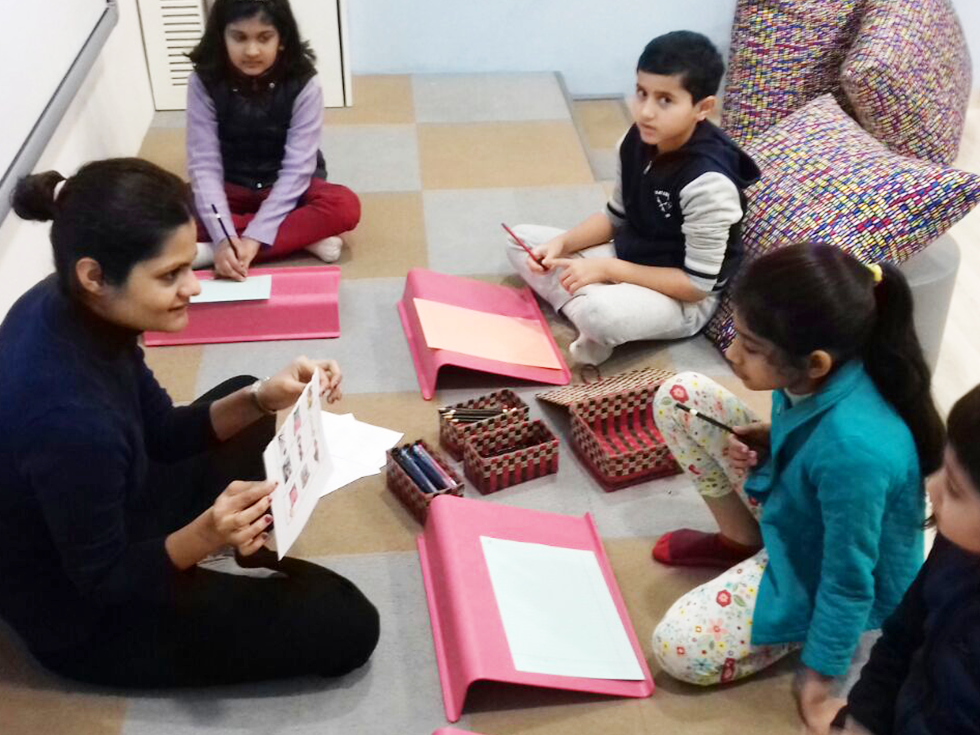
Life skills are the building blocks that allow children to apply the knowledge they acquire in school to real world problems and situations. These skills go well beyond choosing a course in college or impressing a potential employer in the future. They are important tools for development such as independent thinking, socializing and taking action in situations where parents and teachers may not be around (such as dealing with a bully or personal insecurities). Examples of life skills are critical thinking, problem solving and interpersonal skills.
Parents can take an active role in teaching life skills at home with projects that provide real life experience. They can be as simple as assigning household chores and budgeting through an allowance to volunteering in the community. Fun and simple activities like game nights (playing board games like Monopoly and Trivial pursuit and having quizzes) with family with an educational focus can help build social skills.
In addition to brushing their own teeth and learning to tie their shoes children should know what to do in common situations and emergencies such as how to get home from school, who to call during an emergency, how to safely cross the street, how to do laundry, how to safely use kitchen appliances and cook basic meals. The habit of reading should be introduced to kids from a young age to help them improve concentration and expose them to diverse situations.
Life skills can be developed in schools through class discussions, brainstorming sessions, role play activities, audio visual activities like dance and music, debates and case studies. It is important that all students be encouraged to participate in these activities by teachers so that everyone develops a sense of confidence and belonging.
The inherent abilities and talents of many students will be highlighted in the process. Opportunities for practice with coaching and relevant feedback should be given at the end. Educators should make sure to define the skills, explain the positive and negative examples of how the skill should be applied and correct misperceptions about the skill.
A relevant and proper implementation of life skills education is the need of the hour as it brings a huge change in the attitude, thought and behavior of a child. It enhances the mental health of students and equip them with skills to face the challenges of changing life situations and come out on top in the end.
Read more Learning Activities for Kids
2 months ago Author: Author's name
![]()
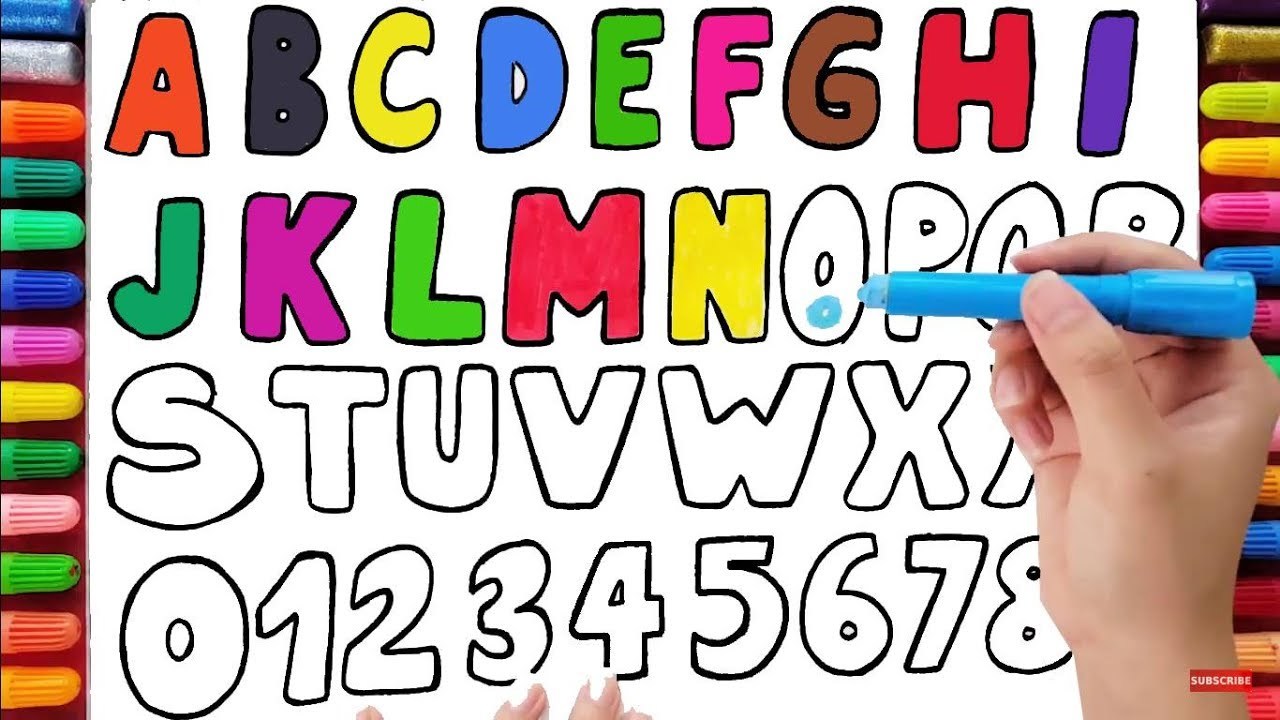
Playschools are increasingly embracing teaching methods in form of games and activities that engage a child’s mind, create learning experiences and have fun along the way too. Here are some innovative learning activities for kids to help learn the alphabets and numbers.
Magic Letters: In this activity a white crayon or an oil pastel can be used to write a few letters on a white paper, in advance. Then the children are asked to paint the entire sheet with 1 water/poster colour of their liking. On painting the sheet, the letters written with the crayon will start becoming visible like an invisible ink coming to life. The children’s eyes twinkle with excitement as they notice, read and shout the letters they recognize, coming to life.
Squirt the letter: Here letters are written in a random order all over the blackboard with chalk. Children are called one by one to have a shot at identifying the called out letter, on the blackboard and squirting it with water with a water spray bottle, so the letter is washed away. The activity is carried on till all the children have their shot at the alphabets and till all the alphabets on the board are washed away. The same activity can be done with numbers as well.
Sand Art for Alphabets: In this activity, an alphabet is written on a chart paper or cardboard. Glue or fevicol is then applied with the finger or a brush over the alphabet. And then sand is sprayed all over the paper. The sand sticks only to the outline of the alphabet that is glued and stays there bringing front the alphabet on the paper. The same activity can be done with dhal, rice or corn.
Connecting the Dots: Dots are drawn on the blackboard with simple or random shapes. From 4 dots forming a square to 8 dots forming an octagon. Each dot is numbered and the children are called one by one to draw lines by joining the dots with the chalk to form shapes, in the order of the numbers. Example: Connecting 1 with 2, 2 with 3, 3 with 4 and 4 with 1 to form a square.
Counting things around the School: Children are asked to count things around the Playschool. For example: The number of doors in the room, the number of windows in the room, the number tables in the room, the number of chairs in the room, the number of students wearing a red t-shirt, the number of petals in a flower etc.
Counting with lego or large buttons: On a white sheet of paper, horizontal lines are drawn with a ruler and the numbers are written in an increasing order in each section and handed out to the kids, along with lego pieces or large colorful buttons. The children are asked to put the corresponding number of pieces as the number in each horizontal section.
Read more